
When families look for disability or aged care support, they often focus on the services themselves: reliable support workers, community access, help with daily living, social participation, and independence.
However, there’s another question that matters just as much: how well does the provider understand the community they operate in?
Great care isn’t only about delivering services. It’s also about helping people connect with the places, people, and opportunities that matter most to them — and local knowledge plays a key role in making that happen.
The Difference Between Knowing a Community and Serving a Community
Large organisations often operate across multiple states, regions, and communities. While scale can bring resources and structure, it doesn’t always translate into deep local understanding. Every community functions differently.
For example, the services available in Redlands, Brisbane differ from those in outer suburban Melbourne. Similarly, regional Toowoomba offers different opportunities compared to central Sydney.
In addition, local transport options, community groups, sporting clubs, healthcare providers, schools, and social networks all vary significantly from place to place. As a result, support needs to reflect those local realities rather than a one-size-fits-all model.o place.
Local Relationships Create Better Outcomes
Strong support rarely comes from services alone — it comes from relationships.
When providers stay closely connected to their communities, they can open doors that genuinely improve people’s quality of life. They understand which community groups welcome new members, which allied health professionals collaborate well, and which local activities build confidence and connection.
Because of these relationships, they can also identify the right people to call, the right places to go, and the best pathways to overcome barriers that might otherwise limit participation.
Over time, these connections grow through trust, collaboration, and lived experience within the community itself.
Ultimately, this leads to stronger belonging, deeper connection, and more meaningful opportunities for people to live life on their own terms.
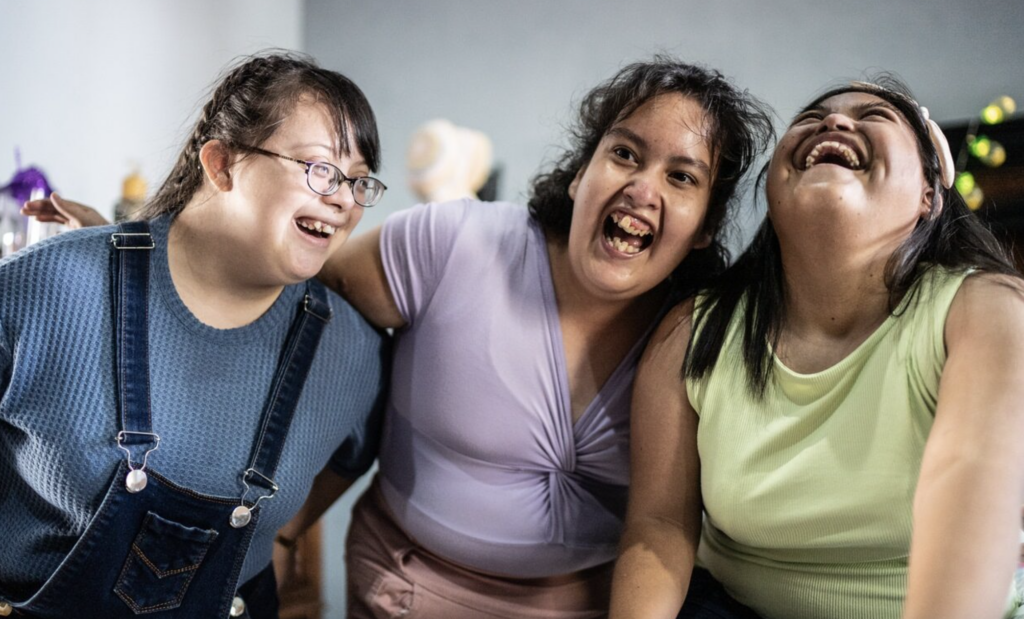
People Don’t Want to Feel Like a Number
Care is personal. People want to know the person supporting them understands not only their goals, but also the community in which they live.
For many individuals and families, one of the biggest frustrations with large organisations is disconnection from the people making decisions. Instead of feeling heard, they often feel like just another file in a system.
They might speak with a call centre hundreds of kilometres away, which adds to that sense of distance.
They may also deal with multiple staff members who don’t know their history, meaning they have to repeat their story again and again.
Finding someone who truly understands their local area can be difficult as well.
By contrast, local business owners and leaders are often deeply invested in the communities they serve because they live there too. Their reputation is built locally, their relationships are local, and their success depends on creating positive outcomes for the people around them.
The Best of Both Worlds
Local knowledge is invaluable, but it is only one part of delivering great support.
Aged care and disability services are complex and continually evolving. Providers must, therefore, navigate changing regulations, workforce challenges, quality standards, compliance requirements, and growing expectations from participants, clients, and families.
The best providers—large or small—recognise the importance of investing in quality systems, strong governance, ongoing training, and continuous improvement. For families, this translates into the expertise, resources, and commitment needed to deliver high-quality support.
This is one reason many people looking to start or grow a business in the care sector are attracted to franchise models such as For Care. It allows local business owners to stay closely connected to their communities while also benefiting from shared knowledge, operational support, industry expertise, and established systems from a larger, well-established organisation.
Ultimately, this creates the best of both worlds: local people making local decisions, while being supported by the resources and experience needed to maintain consistently high standards of care.
FAQs
Local knowledge helps providers connect people with relevant community opportunities, services, activities, and support networks that align with their needs and goals.
Both have strengths. Larger organisations often have extensive systems and resources, while local providers can offer deeper community connections and more personalised support.
Families should consider quality, experience, local knowledge, communication, responsiveness, community connections, and the provider’s ability to understand their individual goals and circumstances.
Local providers often have strong relationships with community groups, businesses, sporting clubs, schools, and service providers, helping individuals access opportunities that reflect their interests and goals.

